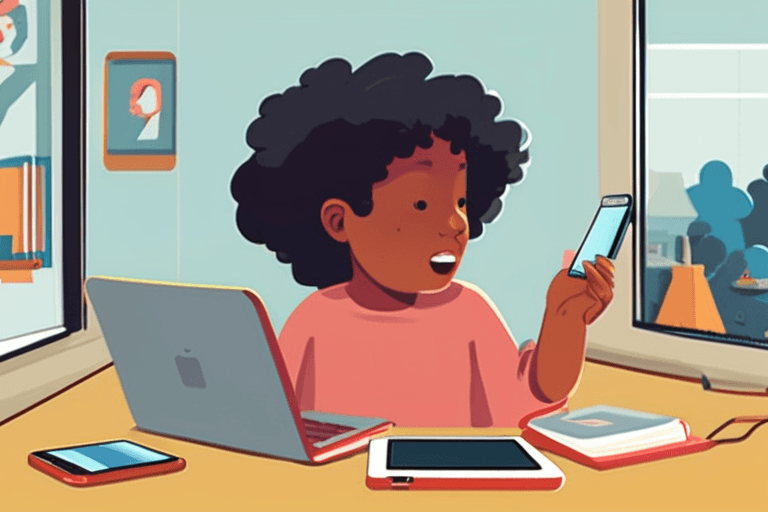
As the last day of school before winter break drew to a close, eighth-grader Aiden and his classmates were engrossed in a heated game of Mafia. But when one of his friends got bored and quit playing, Aiden was left feeling frustrated and a bit bewildered. "Another friend called him a screenager," Aiden recalled, "like, your attention span is so short." This incident was a stark reminder of a larger trend that's been unfolding in the lives of young people: a growing preference for technology over human interaction.
In the past five years, the national conversation about young people and social media has shifted dramatically. Gone are the days of worrying about cyberbullying, online harassment, and body image. Today, the biggest fear among teens and adults alike is the impact of social media on mental health, attention span, and social skills. As Aiden's friend so aptly put it, the term "screenager" has become a badge of honor – or shame – depending on how you look at it.
So, what's behind this phenomenon? One reason is the way social media platforms are designed to keep users engaged for as long as possible. Algorithms that prioritize content that's likely to elicit an emotional response, such as outrage or excitement, have created a culture of constant distraction. This can lead to a vicious cycle of FOMO (fear of missing out) and anxiety, as users feel pressure to stay connected and up-to-date with the latest developments.
But it's not just the platforms themselves that are to blame. The way we use technology has also changed the way we interact with each other. With the rise of smartphones and social media, we've become accustomed to having instant access to information and entertainment at our fingertips. This has led to a decline in face-to-face communication and deep, meaningful relationships.
Take, for example, the case of 12-year-old Emma, who was diagnosed with anxiety and depression after spending hours each day scrolling through social media. Her parents, desperate to find a solution, implemented a strict screen-free policy in their household. But Emma was resistant at first, feeling like she was missing out on all the fun. It wasn't until they introduced a new hobby – painting – that she began to see the benefits of a screen-free life.
"I used to get so anxious about not having my phone," Emma said in an interview. "But now, I feel more relaxed and happy when I'm not on it. I can focus on my art and just be present in the moment."
Experts agree that a balanced approach to technology use is key. "We need to teach kids how to use technology in a way that's healthy and sustainable," said Dr. Jean Twenge, a psychologist and author who has written extensively on the impact of social media on mental health. "That means setting limits, taking breaks, and engaging in activities that promote face-to-face interaction."
So, what can parents and caregivers do to help kids develop healthy tech habits? For starters, they can set a good example by modeling responsible technology use themselves. This might mean putting away their own phones during family time or engaging in activities that promote face-to-face interaction, such as board games or outdoor activities.
Another strategy is to implement screen-free zones and times in the home. This might mean designating the dinner table as a phone-free zone or setting aside device-free hours each day. By creating a culture of screen-free time, kids can learn to appreciate the value of human interaction and develop the skills they need to thrive in a world that's increasingly digital.
As Aiden and his friends navigated the complexities of adolescence, they began to realize that there's more to life than just screens. "We started playing board games and doing art projects together," Aiden said. "It was actually really fun." By taking a step back from technology and embracing the world around them, they discovered a new sense of connection and purpose.
As we look to the future, it's clear that the relationship between technology and human interaction will continue to evolve. But by teaching kids the skills they need to navigate this complex landscape, we can help them develop the tools they need to thrive in a world that's increasingly digital. By setting limits, taking breaks, and engaging in activities that promote face-to-face interaction, we can help kids become the screenagers they were meant to be – not the ones who are defined by their screens.











Discussion
Join 0 others in the conversation
Share Your Thoughts
Your voice matters in this discussion
Login to join the conversation
No comments yet
Be the first to share your thoughts!