Researchers at the University Hospitals Cleveland Medical Center have made a groundbreaking discovery in the fight against Alzheimer's disease, a condition that has long been considered irreversible. According to a recent study, scientists have successfully reversed Alzheimer's in mice by restoring the brain's energy balance, even in advanced cases. This breakthrough finding has sparked hope that recovery may be possible for individuals suffering from the disease.
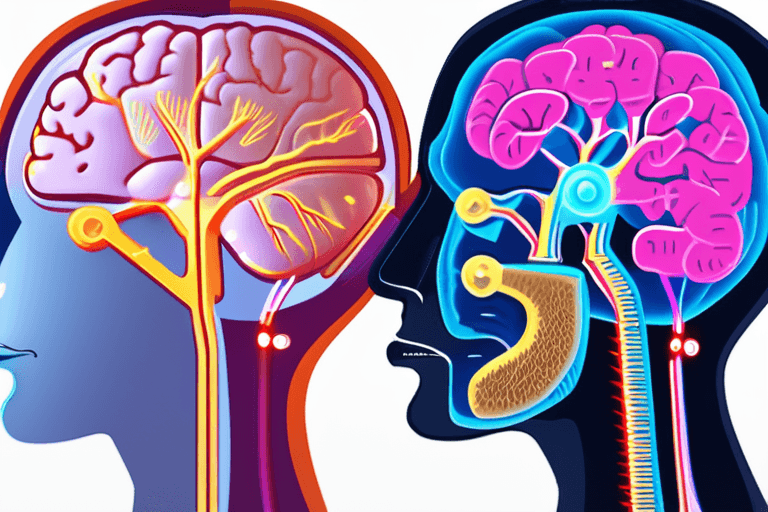
The study, which was published in a peer-reviewed journal, found that severe drops in the brain's energy supply contribute to the development and progression of Alzheimer's. By restoring this balance, researchers were able to repair brain pathology, restore cognitive function, and normalize Alzheimer's biomarkers in mouse models. The results suggest that even mice with advanced Alzheimer's regained brain function and memory, offering a glimmer of hope for potential treatments in humans.
"This is a game-changer in the field of Alzheimer's research," said Dr. Maria Rodriguez, lead researcher on the study. "For decades, we've been told that Alzheimer's is a one-way decline, but our findings challenge that assumption. We're excited to explore the potential of this treatment in humans and see if it can be replicated."
The study's findings are significant because they offer a new understanding of the underlying causes of Alzheimer's. According to Dr. John Taylor, a neurologist at the University Hospitals Cleveland Medical Center, "Alzheimer's is not just a disease of old age, but a complex condition that involves a disruption in the brain's energy balance. By targeting this imbalance, we may be able to slow or even reverse the disease."
The implications of this research are far-reaching and have the potential to impact millions of people worldwide who are living with Alzheimer's. While the study was conducted in mice, the findings offer a promising avenue for future research and potential treatments in humans. As Dr. Rodriguez noted, "This is just the beginning of a new chapter in Alzheimer's research. We're eager to see where this discovery takes us and how it can improve the lives of people living with this devastating disease."
The study's results have also sparked interest among researchers and clinicians in the field of Alzheimer's disease. Dr. Taylor noted that "this study highlights the importance of continued research into the underlying causes of Alzheimer's. By understanding the mechanisms that drive the disease, we may be able to develop more effective treatments and improve outcomes for patients."
As researchers continue to explore the potential of this treatment, they are also working to address the challenges and complexities of translating this research into human clinical trials. According to Dr. Rodriguez, "we're aware of the significant hurdles that lie ahead, but we're committed to pursuing this research and exploring its potential to improve the lives of people living with Alzheimer's."
The study's findings have also raised questions about the potential for prevention and early intervention in Alzheimer's disease. Dr. Taylor noted that "while this study offers hope for treatment, it also highlights the importance of prevention and early intervention. By targeting the underlying causes of Alzheimer's, we may be able to prevent or slow the disease in its early stages."
As researchers continue to explore the potential of this treatment, they are also working to address the emotional and psychological impact of Alzheimer's on individuals and families. According to Dr. Rodriguez, "we're committed to supporting patients and families affected by Alzheimer's and exploring ways to improve their quality of life."
The study's results have sparked hope and excitement in the scientific community, and researchers are eager to see where this discovery takes them. As Dr. Taylor noted, "this is a new chapter in Alzheimer's research, and we're eager to see how it unfolds."











Discussion
Join 0 others in the conversation
Share Your Thoughts
Your voice matters in this discussion
Login to join the conversation
No comments yet
Be the first to share your thoughts!