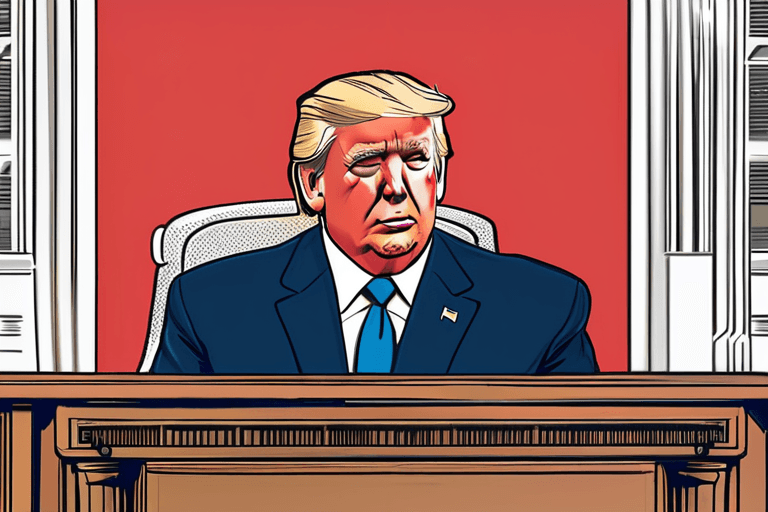
The Trump administration has barred five European figures from entering the U.S., accusing them of pressuring American tech companies to censor online speech. The individuals, including former EU Commissioner Thierry Breton, are linked to Europe's Digital Services Act and anti-disinformation efforts. The move has triggered diplomatic backlash, with European leaders condemning the sanctions as intimidation.
According to a statement from Secretary of State Marco Rubio, the five individuals were deemed responsible for suppressing speech protected under U.S. law. Rubio stated on X, "For far too long, ideologues in Europe have led organized efforts to coerce American platforms to punish American viewpoints they oppose. The Trump administration will no longer tolerate these egregious acts of coercion."
The five individuals barred from entering the U.S. are Thierry Breton, Imran Ahmed, Josephine Ballon, Anna-Lena von Hodenberg, and Clare Melford. They are all leading figures in European efforts to regulate harmful or illegal content on social media platforms. The Digital Services Act, which they are linked to, aims to regulate online content and ensure that social media platforms are accountable for the information they host.
The Trump administration's move is seen as a response to the growing tensions between the U.S. and Europe over online regulation. The Digital Services Act has been criticized by some in the U.S. for its potential to stifle free speech and limit the ability of American tech companies to operate in Europe.
European leaders have condemned the sanctions as an attempt to intimidate and silence critics of the U.S. approach to online regulation. The European Union has stated that the Digital Services Act is necessary to protect European citizens from online harm and ensure that social media platforms are held accountable for the content they host.
The impact of the Trump administration's move on the tech industry is still unclear. However, it is likely to exacerbate the tensions between the U.S. and Europe over online regulation. The Digital Services Act has been seen as a key aspect of the European Union's efforts to regulate online content and ensure that social media platforms are accountable for the information they host.
The current status of the situation is that the five individuals are barred from entering the U.S. and the diplomatic tensions between the U.S. and Europe are escalating. The next developments in the situation are likely to be influenced by the outcome of the ongoing diplomatic efforts between the two sides.







Discussion
Join 0 others in the conversation
Share Your Thoughts
Your voice matters in this discussion
Login to join the conversation
No comments yet
Be the first to share your thoughts!