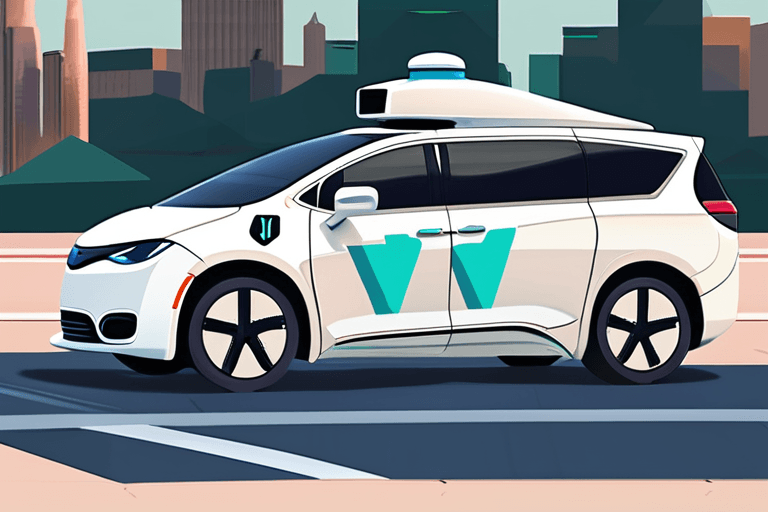
Waymo, a leading developer of self-driving technology, has explained why its robotaxis got stuck at intersections during a blackout in San Francisco this past weekend. According to a blog post released by the company, the self-driving system in its robotaxis treats dead stop lights as four-way stops, just like humans are supposed to. This should have allowed the robotaxis to operate normally in spite of the massive outage. However, many of the vehicles requested a confirmation check from Waymo's fleet response team to make sure what they were doing was correct.
The confirmation check system, which is a standard feature in all Waymo robotaxis, was designed to provide an added layer of safety during the early deployment of the technology. However, as the company has grown and its fleet has expanded, this system has become a bottleneck during widespread outages. Waymo said that the concentrated spike in confirmation requests during the San Francisco blackout helped create the congestion that was caught on video. The company is now refining this system to match its current scale.
Waymo's decision to implement a confirmation check system was made with the intention of prioritizing safety above all else. "We built this system out of an abundance of caution during our early deployment," said a Waymo spokesperson. "However, as we've grown and our fleet has expanded, we've realized that this system needs to be refined to match our current scale." The company is now shipping a software update that will help its robotaxis navigate disabled traffic lights during power outages more decisively.
The San Francisco blackout was a major test for Waymo's self-driving technology, and the company's response to the incident has been closely watched by industry observers. The incident highlights the challenges that companies like Waymo face in developing and deploying self-driving technology at scale. As the use of autonomous vehicles becomes more widespread, the need for robust and reliable systems that can handle unexpected events like power outages will only continue to grow.
Waymo's decision to refine its confirmation check system is a step in the right direction, but it also raises questions about the role of human oversight in autonomous systems. While the company's intention is to prioritize safety, the use of human confirmation checks can create delays and inefficiencies in the system. As the industry continues to evolve, it will be interesting to see how companies like Waymo balance the need for safety with the need for efficiency and scalability.
The software update that Waymo is shipping will provide its robotaxis with the ability to navigate disabled traffic lights more decisively, even in the absence of human confirmation checks. This update is a significant step forward for the company, and it will be closely watched by industry observers. As the use of autonomous vehicles continues to grow, the need for robust and reliable systems that can handle unexpected events like power outages will only continue to grow.










Discussion
Join 0 others in the conversation
Share Your Thoughts
Your voice matters in this discussion
Login to join the conversation
No comments yet
Be the first to share your thoughts!