According to Zhen Qiu, a researcher involved in the project, the system uses surface-enhanced Raman scattering (SERS) nanoparticles that bind to specific tumor markers. These nanoparticles amplify the weak light signals emitted by cancerous cells, allowing the imaging system to detect even the faintest signals. "Our goal is to make this technology more accessible and practical for clinical use," Qiu said. "We believe it has the potential to revolutionize cancer diagnosis and treatment."
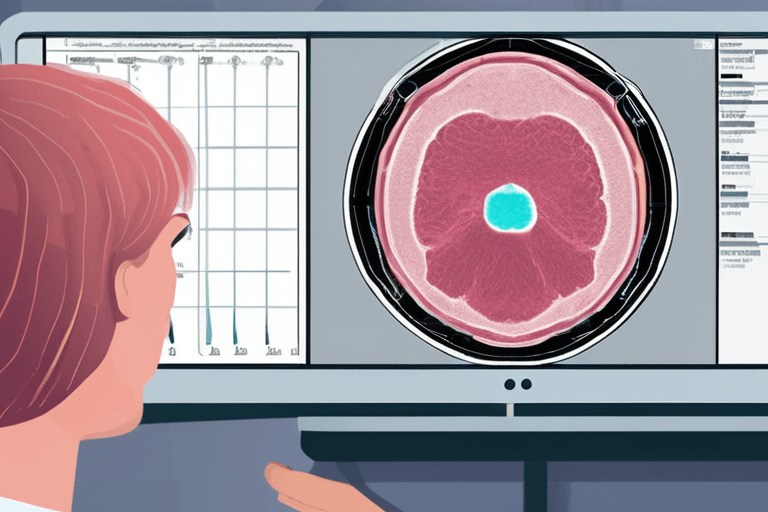
The new imaging system is based on a Raman spectroscopy technique that measures the vibrational modes of molecules. By analyzing the light signals emitted by the SERS nanoparticles, the system can identify specific molecular patterns associated with cancerous tissue. This approach is more sensitive than existing imaging technologies, which often rely on fluorescent dyes or other contrast agents that can be toxic or difficult to administer.
The development of this technology is significant, as it could enable earlier cancer detection and more accurate diagnosis. According to the American Cancer Society, cancer is one of the leading causes of death worldwide, with millions of new cases diagnosed each year. Early detection is crucial for effective treatment and improved patient outcomes.
The researchers believe that their technology could be used in a variety of clinical settings, including hospitals and clinics. They are currently working to refine the system and make it more user-friendly for medical professionals. "We're excited about the potential of this technology to improve cancer diagnosis and treatment," Qiu said. "We're committed to making it available to the medical community as soon as possible."
The new imaging system is still in the early stages of development, but it has already shown promising results in laboratory tests. The researchers are planning to conduct further studies to validate the technology and explore its potential applications. With its high sensitivity and specificity, this technology could become a valuable tool in the fight against cancer, enabling earlier detection and more effective treatment.











Discussion
Join 0 others in the conversation
Share Your Thoughts
Your voice matters in this discussion
Login to join the conversation
No comments yet
Be the first to share your thoughts!