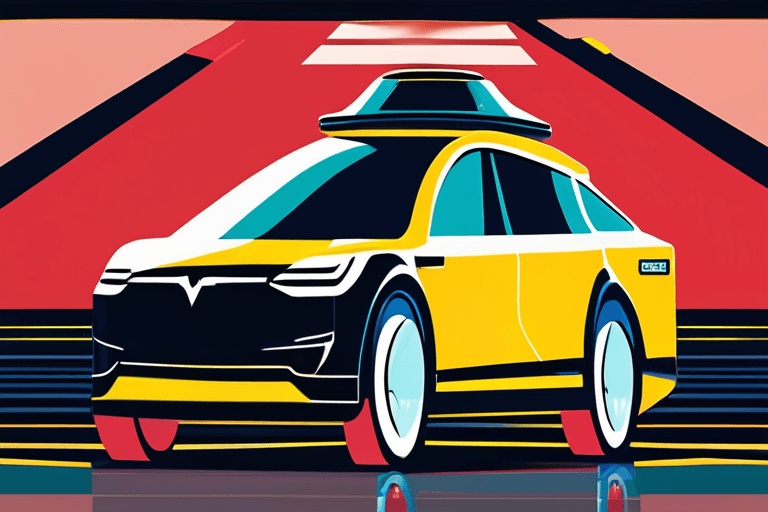
Tesla's soaring stock price, recently hitting a record high, is fueled in part by investor confidence in the company's potential to dominate the burgeoning driverless taxi market, estimated to be worth trillions of dollars. However, on-the-ground realities suggest Tesla faces significant hurdles in realizing this ambition.
While Wall Street anticipates Tesla's robotaxi dominance, the company's current operational footprint lags behind competitors. In Austin, Texas, where Tesla launched its robotaxi service in June, approximately 30 vehicles have been deployed, according to tracking websites. This contrasts sharply with Waymo, Alphabet's autonomous driving division, which began its Austin service in March and operates around 200 vehicles in the city. Waymo also offers paid rides in four other cities, boasting a total fleet of over 2,500 vehicles.
The disparity extends beyond fleet size. While Tesla has been observed testing vehicles without drivers in Austin, its paid robotaxi service still requires a human monitor in each vehicle. Waymo, on the other hand, operates its Austin passenger service entirely without human monitors. This difference in operational autonomy has significant implications for cost efficiency and scalability.
The race to capture the robotaxi market is heating up, with established players like Waymo holding a considerable lead in terms of real-world deployment and technological maturity. Tesla's current valuation reflects significant future growth expectations in this sector. Whether the company can bridge the gap between investor optimism and operational reality remains to be seen.









Discussion
Join 0 others in the conversation
Share Your Thoughts
Your voice matters in this discussion
Login to join the conversation
No comments yet
Be the first to share your thoughts!